Insights to Care Post 01
Sundowning is a set of difficult symptoms, emotions, and behaviors that begin in the early evening. Many patients with dementia experience sundowning, a state of increased confusion, irritability, anger, and even aggression.
H1 – the use of music as a therapeutic tool
Sundowning is a set of difficult symptoms, emotions, and behaviors that begin in the early evening. Many patients with dementia experience sundowning, a state of increased confusion, irritability, anger, and even aggression.
H2 – the use of music as a therapeutic tool
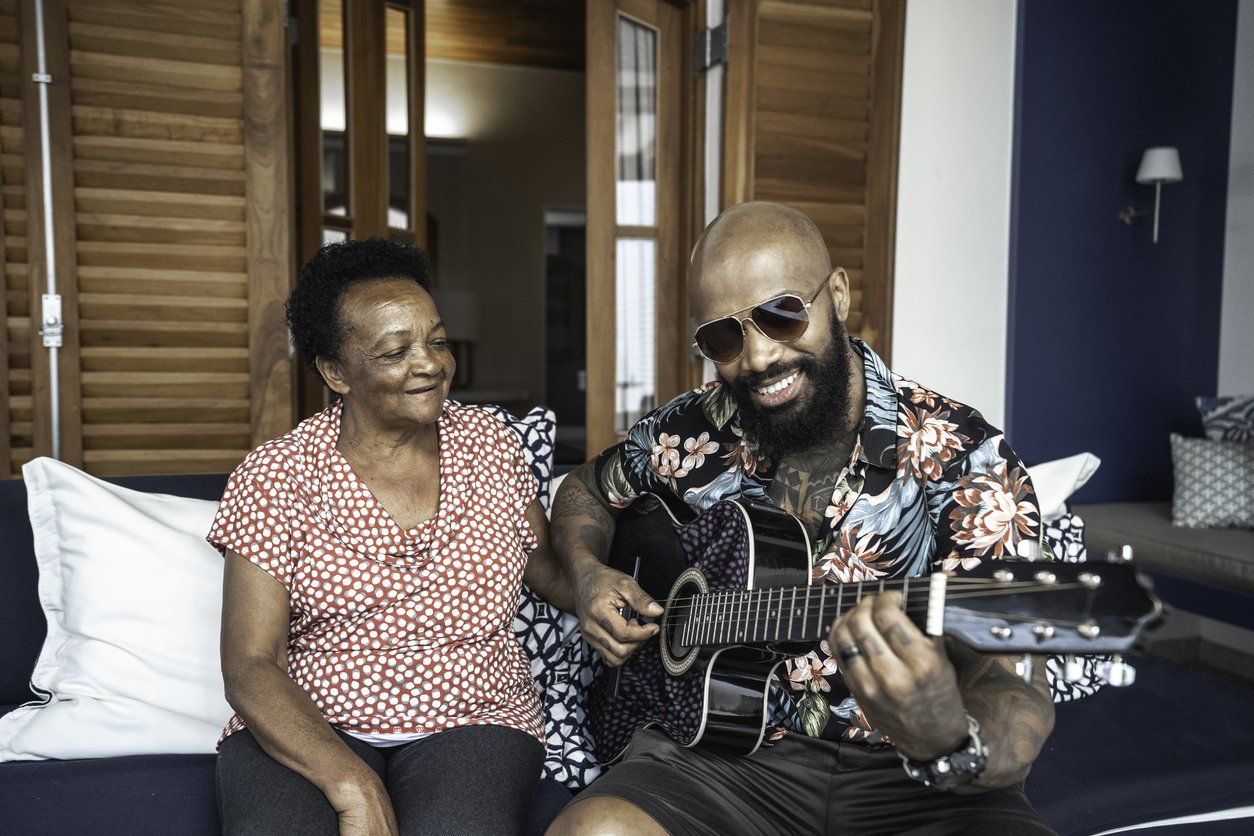
Sundown syndrome confusion can be triggered by overstimulation and fatigue. Soothing sounds and a calm environment can help. Music therapy, the use of music as a therapeutic tool, may help patients who are confused and agitated.
H3 – the use of music as a therapeutic tool
Sundown syndrome confusion can be triggered by overstimulation and fatigue. Soothing sounds and a calm environment can help. Music therapy, the use of music as a therapeutic tool, may help patients who are confused and agitated.
H4 – the use of music as a therapeutic tool
Sundown syndrome confusion can be triggered by overstimulation and fatigue. Soothing sounds and a calm environment can help. Music therapy, the use of music as a therapeutic tool, may help patients who are confused and agitated.
Sundown syndrome confusion can be triggered by overstimulation and fatigue. Soothing sounds and a calm environment can help. Music therapy, the use of music as a therapeutic tool, may help patients who are confused and agitated.
Sundown syndrome confusion can be triggered by overstimulation and fatigue. Soothing sounds and a calm environment can help. Music therapy, the use of music as a therapeutic tool, may help patients who are confused and agitated.
In this article, we’ll talk about:
- What sundowning is and what music therapy is.
- Research that shows how music therapy can benefit patients with dementia, including those who experience sundowning.
- How you can find quality music therapy for your loved one.
Check this link to find out if you have free access to the Trualta library of resources on caregiving, dementia, sundowning, and more.
About Sundown Syndrome & Symptoms
Sundown syndrome is not a condition itself. It’s a set of symptoms that begin or worsen in the late afternoon or as evening approaches. It can continue during the evening hours and even through the night. Sundowning is most common in patients with dementia. Symptoms of sundowning include:
- Agitation and irritability
- Confusion
- Crying
- Pacing or rocking
- Wandering
- Shadowing, or following you very closely
- Sleep disturbance or difficulty falling and staying asleep
- Aggression, yelling, or even violence
- Hallucinations
- Paranoia, delusions, and delirium
The symptoms of sundown syndrome are very difficult to deal with. It can be hard to see your loved one like this. It also becomes more difficult to keep them safe. When sundowning, they may refuse to take medications or go to bed, they can become violent, and they may wander away from home and get lost or hurt.
What Causes Sundown Syndrome?
No one knows for sure what causes sundowning episodes and symptoms. It’s closely tied to dementia, but it can also occur in older adults without dementia.
One possibility is that sundowners syndrome is tied to circadian rhythm, the body’s natural sleep wake cycle. Disruptions to circadian rhythm, such as limited exposure to natural light during the day, disrupt sleep and might trigger or worsen sundowning. Light therapy and exposure to bright light during the day may help. Other known triggers for sundowning include:
- Overstimulation and a busy day
- Disruptions to routine
- Fatigue
- Hunger or thirst
- Boredom
- Depression and other mental health issues
- Chronic pain
Treating and managing sundowning is important for the wellness and safety of your loved one and you as the caregiver. Managing these difficult symptoms with good home care keeps you both safe. It also helps delay your loved one’s transition to assisted living or memory care. One tool that might help manage symptoms is music therapy.
What Is Music Therapy?
Music therapy is a therapeutic tool that uses music and elements of music (rhythm, harmony, sound) to achieve specific goals. Examples of goals include relieving stress, managing pain, expressing emotions, improving memory loss, and improving communication.
Music therapy is provided by a trained and licensed therapist with special training. This professional is called a music therapist. Music therapists work with all kinds of patients, including those with substance use disorders, chronic pain, autism spectrum disorders, and dementia.
Patients in music therapy benefit from numerous tools and strategies. Music therapists design sessions based on a patient’s needs and goals. They use music listening, performance, and writing, as well as discussions of music, improvisation, and more. The strategies music therapists use are based on scientific research.
How Can Music Therapy Help With Sundown Syndrome Symptoms?
Trained music therapists often work with memory care patients. They provide structure, engagement, and a new way to communicate. They help patients by boosting their moods and reducing agitation. They can use music to help patients be more engaged in physical activity.
Several studies have shown the benefits of music therapy for patients with dementia, including those with sundowning symptoms:
- A review of several studies found that music therapy is a useful complementary treatment for patients with Alzheimer’s disease. The studies showed improvements in cognitive function (thinking skills) in many patients.
- Another review looked at studies that showed music therapy improved overall quality of life and depression in dementia patients. Depression can be a trigger for sundowning, so treating it as an underlying condition can help minimize episodes and sundown symptoms.
- One study looked at occupational therapists using music as a complement to other therapies for dementia patients. The study found that this strategy improved sleep, social participation, and eating. It also reduced sundowning behaviors.
- A study specific to sundown syndrome showed that music therapy improved seven characteristic symptoms, including agitation and depression.
- Another study looked at the use of nature videos with soothing music and calming classical music. The results indicated that these strategies reduced behavioral disturbances in patients with sundowning and increased calmness.
- A study of dementia patients with sundowning symptoms used music but not music therapy. Patients listened to music as a calming activity in the evening, and researchers recorded their symptoms before and after. They found that most sundown syndrome patients were less confused, more responsive, and less restless after listening to music.

What To Expect During Music Therapy Sessions
Music therapists work with dementia and Alzheimer’s patients in residential facilities, hospitals, outpatient centers, day care facilities, and senior centers. They can also come to a patient for individual home care. Sessions may be one-on-one or with other home care patients.
Because they are individualized and developed with a patient’s needs in mind, sessions in music therapy are not routine. They look different from one patient to the next. In general, you can expect these steps when working with a music therapist for your loved one:
Evaluation
The therapist will begin by evaluating your loved one. They can do this with an initial, in-person assessment and by talking to you and other caregivers. They may also talk to your loved one’s doctors and other medical professionals.
Developing Goals
The therapist uses that information to develop goals for your loved one. They may work as part of a multidisciplinary team to do this. The team may include your loved one’s doctors, home care workers and caregivers, and other therapists.
Strategies & Planning
They will then use the assessments and goals to devise strategies and plan sessions with your loved one.
Implementing Strategies
Sessions include the implementation of these strategies. Examples include:
- Listening to soothing or favorite music from your loved one’s past
- Talking about music and how it makes them feel
- Participating in creating music or using instruments
- Using musical cues to transition from daytime to calm evening activities (designed to minimize sundowning)
Ongoing Therapy
Music therapists continue to assess and change goals and strategies as the patient’s needs change. There isn’t necessarily an endpoint. Your loved one can continue working with a music therapist as long as it provides benefits.
How To Find A Music Therapist
If you care for a loved one with sundown syndrome, you might want to try music therapy, proven to help with late day confusion. Talk to your loved one’s medical team or doctor about the possibility. They may be able to suggest a music therapist or may have one already as part of the multidisciplinary team.
You can also contact the American Music Therapy Association to find a qualified professional. Be sure you check the credentials of any therapist you’re considering hiring. It’s also a good idea to ask for references and if a therapist has worked with sundowning patients. Relevant experience is crucial for success with your loved one.
Sundown syndrome is a difficult set of symptoms for caregivers and their loved ones. There is no cure, but tools like music therapy can help manage and even prevent episodes and symptoms.
Check this link to find out if you have free access to the Trualta library of resources on caregiving, dementia, sundowning, and more.
References
- https://journals.sagepub.com/doi/abs/10.1177/08982643221087569
- https://www.health.harvard.edu/mind-and-mood/sundowning-what-to-know-if-your-loved-one-with-dementia-experiences-late-day-symptoms
- https://www.mayoclinic.org/diseases-conditions/alzheimers-disease/expert-answers/sundowning/faq-20058511
- https://www.musictherapy.org/about/musictherapy/
- https://www.musictherapy.org/assets/1/7/FactSheet_Music_Therapy_and_Dementia_Care_2021.pdf
- https://alzres.biomedcentral.com/articles/10.1186/s13195-023-01214-9
- https://pmc.ncbi.nlm.nih.gov/articles/PMC7248378/
- https://research.aota.org/ajot/article/77/Supplement_2/7711510246p1/24382/OT-Practitioners-Use-of-Music-in-Treating-Older
- https://journals.sagepub.com/doi/abs/10.1177/08982643211033407
- https://journal.ilpnetwork.org/articles/10.31389/jltc.69