Home Care Iowa: Help Manage Diabetes
Type 1 and Type 2 Diabetes require effective management and monitoring to prevent serious health complications. Caregivers may offer support with tasks like medication management, blood sugar monitoring, supporting exercise, and preparing meals–but it can all add up quickly. It’s easy to feel overwhelmed, especially if you’re not getting the support you and your care recipient need. In this article, we’ll discuss how home care can help.
If your care recipient can’t access certain services or you’re looking for ways to improve your home caregiving skills, Trualta can help. If you reside in Iowa, you can access Trualta’s caregiver education, resources, and more to help you build your caregiving skills and community. If you live in another state, you can check if you also have free access to Trualta.
What Is Home Care?
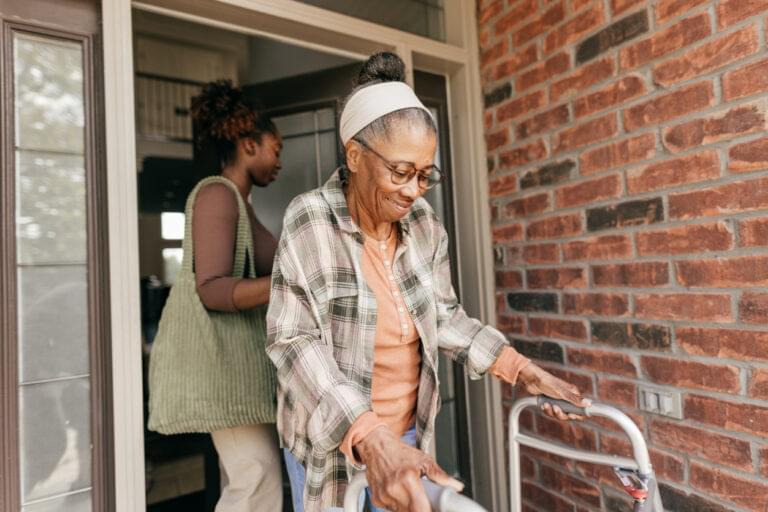
Home care refers to non-medical care services provided in your care recipient’s home. They may also be called “caregiving services”. Depending on the type of support needed, there are different services and providers for home care. Home care may be available from one person hired directly or through home care agencies.
These services are usually paid for by the hour. Some agencies or individuals may offer overnight services, which usually cost a flat rate. The type of service and how much help you need can affect the cost. Home care may be paid for privately, but private insurance or Medicare may cover some costs depending on your care recipient’s needs and the service provided. Some organizations, like Veterans Affairs, may offer financial support.
How Does Home Care Iowa Support Diabetes?
Controlling and monitoring blood sugar, blood pressure, and cholesterol levels are key to managing diabetes. However, this isn’t as simple as it sounds. Diabetes impacts several parts of daily living and often requires lifestyle changes to manage the condition. If the condition isn’t managed, diabetes can lead to health problems like:
- Heart disease
- Stroke
- Kidney disease
- Eye disease
- Dental problems and gum disease
- Nerve damage
- Limb amputations
- Skin conditions and infections
These health problems can increase a person’s care needs on top of regular diabetes management. Involving a home caregiver who understands diabetes can help with everyday diabetes management and other care needs of living with the condition.
Here are some ways that a home caregiver may be able to support your care recipient with diabetes:
- Preparing meals. As part of their care plan, your care recipient will likely have to follow a low-sugar, low-carbohydrate diet. Home caregivers can help with meal preparation and planning to ensure they stick to their nutrition goals.
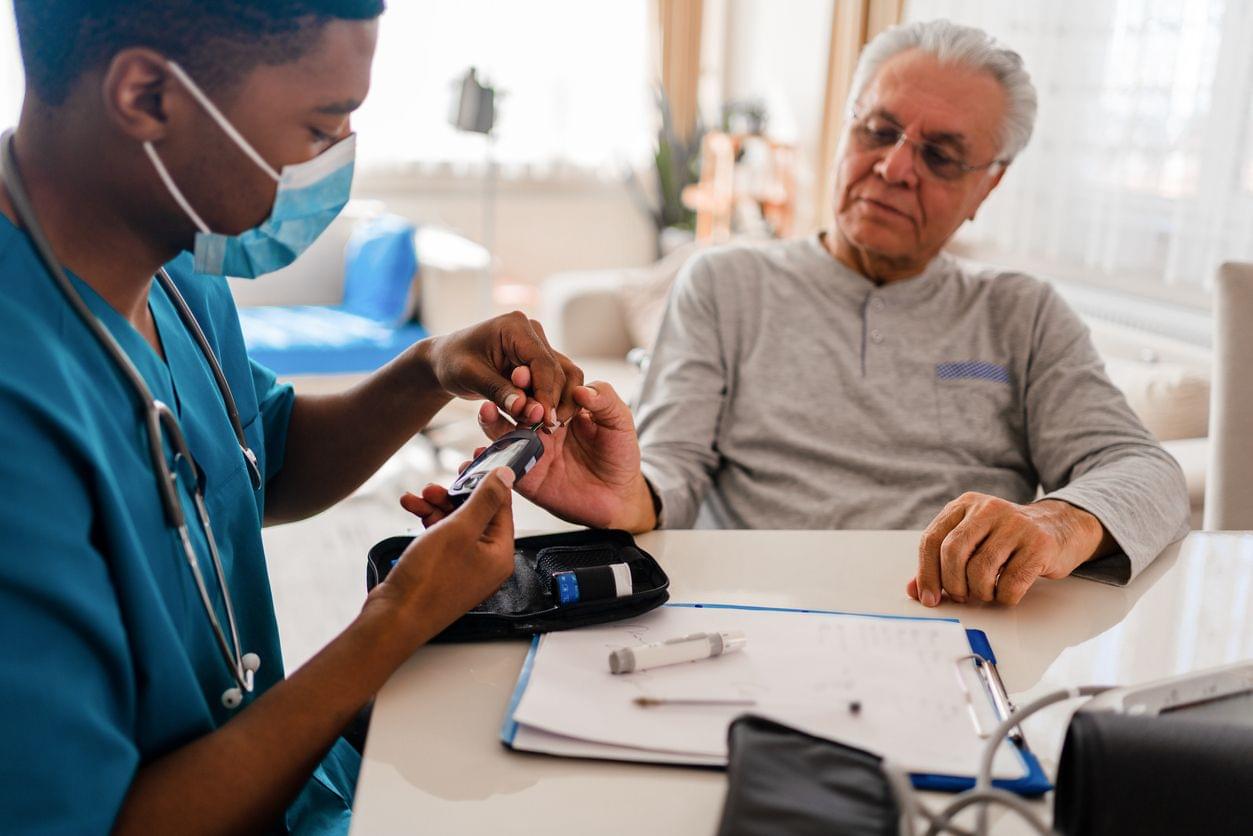
- Monitoring eating and medication schedules. Your care recipient may need to eat at regular intervals and take medications at certain times. Home caregivers can support this by providing medication reminders and ensuring your care recipient eats when they need to.
- Helping with diabetes management aids. Your care recipient may use different devices, like insulin pens or blood glucose meters, depending on their needs and type of diabetes. Home caregivers may be able to assist in ways like:
- Preparing supplies
- Recording blood glucose readings
- Helping your care recipient understand how to use certain devices
- Supporting physical activity and exercise. Exercise can help the body use sugar and insulin more effectively and can support a healthy weight. A home caregiver may supervise or assist them with certain exercises. They may also help them schedule exercise into their daily routines.
- Supervising and supporting safety. Having someone there who can recognize signs of low or high blood sugar and other emergencies can ensure your care recipient gets the help or medical assistance they need.
- Assisting with activities of daily living and personal care tasks, like dressing and bathing.
- Transportation services. If your care recipient is no longer able to drive, a home caregiver may be able to drive them to appointments or other community activities.
- Other homemaking services that can be difficult for your care recipient to do on their own. For example, light housekeeping, laundry, meal preparation and clean up, and errands like grocery shopping.
- Respite care. Having another caregiver step in temporarily can help you get a break from caregiving tasks for a few hours or days. This gives you time to focus on self-care or other life responsibilities.

What Are The Benefits Of Home Care For Diabetes?
While there isn’t a cure for diabetes, working with a healthcare team and managing the condition can help reduce its impact. People living with chronic conditions like diabetes can benefit from support from people who really get it. Home care services can help your care recipient stay in their home and community for longer. Other benefits include:
- Supporting your care recipient in managing their condition. Self-management practices are key to managing diabetes. Involving a home caregiver can support your care recipient to do this effectively and reduce the risk of health problems.
- Meeting unique needs. Many caregivers or agencies offer diabetes-specific care to provide personalized support.
- Receiving care in a familiar environment.
- Building social relationships. One-on-one care in the home gives your care recipient the opportunity to connect with another person.
- Saving travel time to receive care services or get tasks done. This can be especially helpful if your care recipient lives in a rural area or when weather conditions make transportation difficult.
- Giving you peace of mind. Delegating care tasks can help give you time to focus on other caregiving tasks or provide a much-needed break.
- Flexibility. Many home care plans can be adjusted if your care recipient’s needs change.
Where Can I Access Medical Care At Home?
If your care recipient could benefit from diabetes education, medication administration, wound care, blood sugar and insulin monitoring, and other medical services, it may be worth exploring home health services. This is medical care for an illness or injury that is delivered in a person’s home by healthcare professionals. They might include:
- Skilled nursing care
- Occupational, physical, or speech-language therapy
- Medical social services
- Home Health Aide care
Your care recipient needs to be assessed by their doctor and meet certain eligibility requirements to qualify to have their home health care services paid for by Medicare. Your care recipient with diabetes may also qualify for Medicare coverage to receive services like diabetes self-management education.
Choosing The Right Home Care
It’s tough knowing where to start when looking for home care options for diabetes. Luckily, there are some organizations you can reach out to for help. Here are some good places to start:
- The National Alliance for Care At Home Agency Locator
- The Eldercare Locator website or call 1-800-677-1116
- Iowa Health & Human Services – Caregiver Resources
- Your local Area Agency on Aging
- Talk to a doctor or other member of the healthcare team to direct you to resources
- Faith-based organizations
References
- https://www.amedisys.com/services/home-health-care/specialty-programs/diabetes-program/
- https://www.parkinson.org/resources-support/carepartners/outside-help
- https://assistedcares.com/types-of-care/disease-type/copd/
- https://www.interimhealthcare.com/services/home-healthcare/diabetes
- https://www.interimhealthcare.com/services/how-to-pay
- https://www.comforcare.com/resources/what-is-home-care.html
- https://www.comforcare.com/resources/diabetes-care.html
- https://www.diabinfo.de/en/living-with-diabetes/treatment/in-an-emergency.html
- https://www.homeinstead.com/location/602/home-care-services/diabetes-care-for-aging-adults/
- https://medlineplus.gov/diabetescomplications.html
- https://www.niddk.nih.gov/health-information/diabetes/overview/managing-diabetes
- https://hhs.iowa.gov/public-health/data/health/diabetes
- https://www.medicare.gov/coverage/diabetes-self-management-training
- https://www.nia.nih.gov/health/alzheimers-caregiving/getting-help-alzheimers-caregiving