Insights to Care Post 03
Advances in technology have made smart devices helpful in easing the lives of people with dementia and reducing caregiver burden. One challenging symptom for caregivers to manage is sundowning, which causes restlessness and confusion, often in the late afternoon or early evening.
This behavior can create stress for both the person with dementia and their caregiver. Fortunately, many technologies are available to help manage sundowning and reduce its occurrence. By integrating these tools, caregivers can ease their burden and improve the quality of life for individuals with dementia.
In this article, we’ll review:
- Common underlying causes of sundowning
- How technology can support the management of sundowning syndrome
- Key considerations when integrating technology into dementia care
Interested in learning more about dementia, its symptoms, and caregiving? Check if you have free access to Trualta’s learning library.
The Causes Of Sundowning
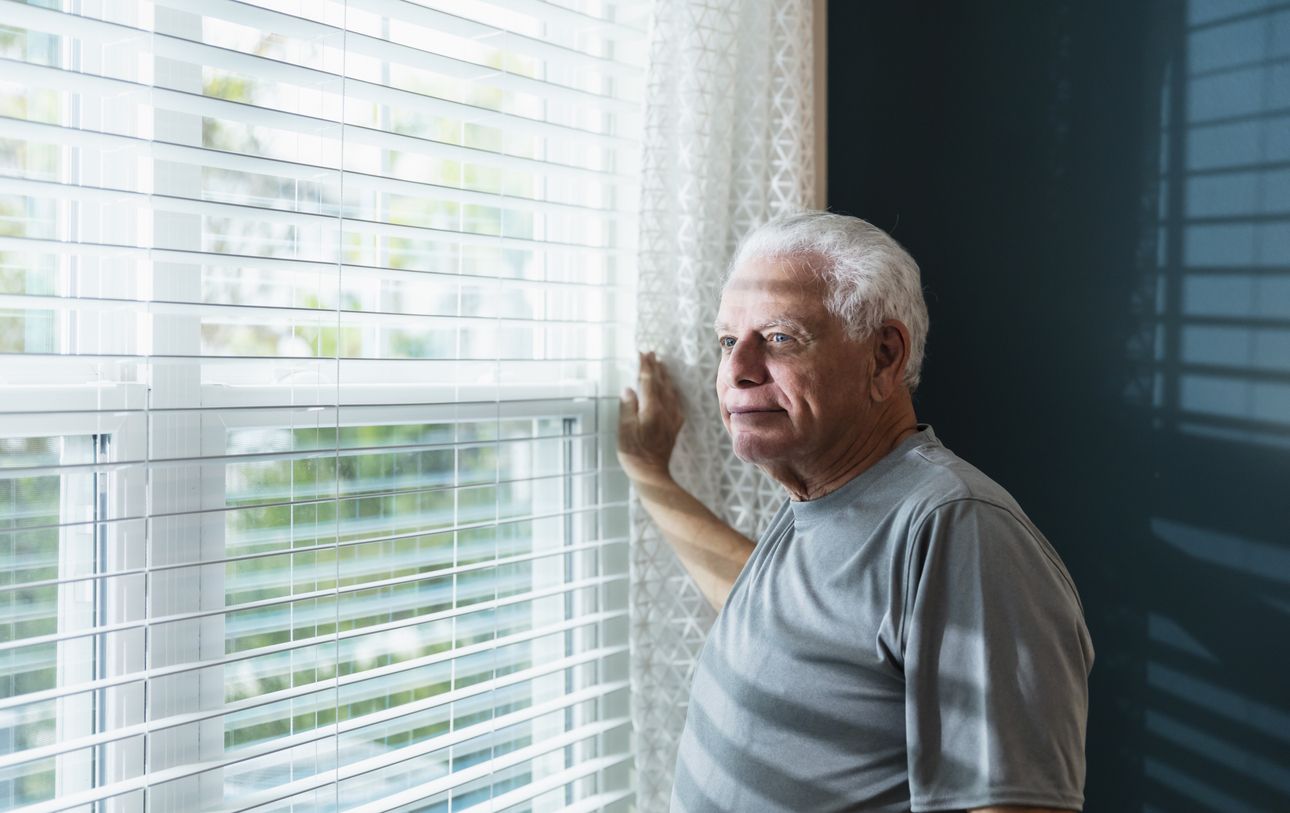
Sundowning is a period of agitation and confusion that typically occurs in the late afternoon or evening. Sundowning can make the evening especially difficult for both the person with dementia and their caregiver. The exact cause of sundowning is not fully understood, but several factors can make it worse. Identifying and managing these triggers is key. Common triggers include:
- Lack of routine: Changes in daily schedules can cause confusion and stress.
- Sleep disruptions: Poor sleep at night or too much daytime napping can worsen behavioral disturbances.
- Lack of stimulation: Insufficient mental and physical activity can lead to frustration.
- Poor lighting: Dim lighting, especially at sundown, increases late day confusion and anxiety.
- Discomfort: Pain, stress, or emotional distress can worsen sundowning behaviors.
How Technology Can Help With Sundowning
As the prevalence of dementia continues to rise, caregivers are increasingly turning to technology for support. Integrating smart devices into daily routines presents an opportunity to reduce stress on caregivers and improve the quality of life in individuals with dementia. These tools are meant to ease every day asks, allowing your loved one to maintain a greater sense of autonomy. Below are several ways in which technology can assist in managing sundowners syndrome:
Smart Homes & Voice-Activated Devices
“Smart homes” incorporate various devices that can be remotely controlled or automated to simplify daily tasks. Voice-activated assistants such as Amazon Alexa, Google Home, or Siri allow individuals or caregivers to automate routines. These tools can remind loved ones to take medication or eat meals at a specific time. They can also provide alerts for important tasks. These devices help create a predictable and consistent routine, reducing the risk of sundowning. Some specific examples of smart devices are:
1. Smart Clocks
Time confusion is a common issue for people with dementia. Smart clocks can address this by displaying the date, time, and part of the day (e.g., “morning” or “evening”) in large, easy-to-read fonts. These clocks help create structure and offer clear visual reminders, reducing disorientation and promoting a sense of stability.
2. Smart Lighting
Lighting plays a significant role in reducing sundowning symptoms. Low or dim lighting as the sun is setting can contribute to increased confusion and anxiety. Smart lighting systems allow caregivers to set lights to gradually brighten as the evening approaches, minimizing the disorienting effects of shadows and darkness. Some systems also mimic natural daylight earlier in the day, which can help regulate the body’s internal clock or circadian rhythm and improve sleep patterns.
3. Smart Thermostats
Changes in body temperature, whether from feeling too hot or too cold, can increase discomfort and aggravate sundowning behaviors. A smart thermostat can help maintain a comfortable, consistent temperature, adjusting automatically to the time of day. This can be particularly beneficial in preventing discomfort during the transition to evening when it becomes colder. It also eliminates the need for your loved ones to make manual adjustments.
4. Smart Speakers
Listening to music can be a calming activity for individuals with dementia, often eliciting positive emotions and memories. Smart speakers can be pre-programmed to play familiar music at designated times, which can help soothe agitation and improve mood. These devices are typically simple to operate.
Automatic Medication Dispensers
Adherence to medication schedules is a common challenge for individuals with dementia. Disruptions to medication can increase the risk of sundowning. Automated medication dispensers, integrated with voice-activated systems, can remind your loved one to take their medication at the appropriate time. These devices can also notify caregivers if a dose is missed or if supplies are running low. Studies have shown that these dispensers can significantly improve medication adherence and promote independent medication management in people with dementia.
Tablet Applications
Mental stimulation is essential to prevent boredom. Tablet applications designed to improve cognition and memory loss can help keep your loved one mentally engaged. These applications offer brain games, memory exercises, and music therapy to promote cognitive health. Setting aside a specific time each day for these activities helps maintain a routine while providing lasting cognitive benefits.
Click here to see a list of applications recommended for people with Alzheimer’s to help in managing sundowning.

Smart Watches
Physical activity is key to reducing sundowning behaviors, as regular movement can improve mood and promote better sleep. Smartwatches, like the Apple Watch, can track steps and provide encouragement when goals are met. They can also send reminders to move if your loved one has been sitting for too long.
These devices also monitor sleep patterns, providing valuable data that caregivers can share with healthcare providers to address any sleep-related issues contributing to sundowning. Additionally, advanced smartwatches feature heart rate monitoring and fall detection, offering caregivers peace of mind by helping them monitor the individual’s physical well-being.
Locator Devices For Wandering
Wandering is a common sundowning behavior. People may wander in search of something familiar or to ease discomfort. They may leave the house or neighborhood, posing serious safety risks.
Locator devices, like GPS-enabled shoes or Bluetooth trackers, help caregivers track their loved one’s location. These discreet devices can be attached to everyday items such as shoes, clothing, or keychains and monitored via smartphone, ensuring safety if episodes of wandering occur.
Key Considerations When Integrating Technology Into Dementia Care
While technology offers considerable benefits, it’s important to be mindful of certain challenges:
- Overwhelming technology: Some people with dementia may feel overwhelmed by too many devices or reminders. Introduce technology gradually and make sure it’s something your loved one is comfortable with.
- Personalization is key: Not all devices are right for every person. Pay attention to your loved one’s needs and choose the technologies that will be most beneficial.
- Too much stimulation: While technology can help, too much screen time or constant notifications can cause more stress. Try to find a balance that supports your loved one without overwhelming them. If your loved one isn’t uncomfortable with technology, try to incorporate less noticeable devices that do not require active participation.
Conclusion
Incorporating smart devices into dementia care offers significant benefits in managing and preventing sundowning behaviors. These tools help reduce stress on caregivers and improve the quality of life for individuals with dementia. Key benefits include:
- Maintaining routines and providing reminders for tasks
- Enhancing safety with GPS tracking and fall detection in case of wandering
- Regulating the environment (lighting, temperature) to reduce confusion
- Promoting mental and physical engagement through apps and activity trackers
Introducing devices gradually and choosing tools that suit your loved one’s specific needs is important. By carefully integrating these technologies, caregivers can create a safer, more supportive environment and ease the challenges of dementia care.
Interested in learning more about dementia, its symptoms, and caregiving? Check if you have free access to Trualta’s learning library.
References
- Alzheimer’s Society. “Sundowning.” Alzheimer’s Society, 2019, www.alzheimers.org.uk/about-dementia/symptoms-and-diagnosis/symptoms/sundowning.
- Canevelli, Marco, et al. “Sundowning in Dementia: Clinical Relevance, Pathophysiological Determinants, and Therapeutic Approaches.” Frontiers in Medicine, vol. 3, no. 73, 27 Dec. 2016, www.ncbi.nlm.nih.gov/pmc/articles/PMC5187352/, https://doi.org/10.3389/fmed.2016.00073.
- Coppola, Jean, et al. Applying Mobile Application Development to Help Dementia and Alzheimer Patients Recommended Citation Applying Mobile Application Development to Help Dementia and Alzheimer Patients. 2013.
- Shu, Sara, and Benjamin KP Woo. “Use of Technology and Social Media in Dementia Care: Current and Future Directions.” World Journal of Psychiatry, vol. 11, no. 4, 19 Apr. 2021, pp. 109–123, https://doi.org/10.5498/wjp.v11.i4.109.