Sundowning Defined: What You Need To Know About This Dementia Symptom
People with dementia sometimes experience agitation, irritability, restlessness, and confusion. For some patients, these feelings and related behaviors occur toward the end of the day. This is known as sundowning or sundown syndrome.
It’s important to understand sundowning if you’re a caregiver for a loved one with dementia. We’ll cover several important topics in this overview of sundowning:
- What sundowning is
- Characteristic symptoms and behaviors
- Causes and triggers of sundowners syndrome
- How long sundowning episodes last
- Who experiences sundowning
- Tips for preventing and managing sundowning
Interested in learning more about dementia, its symptoms, and caregiving? Check if you have free access to Trualta’s learning library.
What Is Sundowning?
Sundowning is the term used to describe a state of confusion and related behaviors that occur in the late afternoon and early evening. The behavioral disturbances may continue throughout the night. Behaviors related to sundowning include irritability, aggression, and wandering.
Although it’s often called sundown syndrome, it is not a disease or condition. It’s a group of symptoms and behaviors. They are associated with dementia and conditions that cause dementia, like Alzheimer’s disease.
The Symptoms Of Sundowning Syndrome
Sundown syndrome is a state of increased confusion. Dementia patients often experience confusion, which can be worse at some times than at others. Confusion triggers a range of emotions, behaviors, and symptoms. Your loved one going through sundowning may feel certain emotions:
- Agitation
- Anger
- Anxiety
- Fear
- Irritability
- Restlessness
- Sadness
Confusion and associated emotions can cause difficult behaviors. Some symptoms and behaviors commonly associated with sundowning include:
- Aggression, including violence, yelling, and resistance
- Crying
- Difficulty sleeping
- Hallucinations
- Pacing, rocking, and other repetitive behaviors
- Paranoia
- Shadowing, following you or another caregiver closely
- Wandering
The sundowning symptoms, emotional states, and behaviors can have serious consequences and complications. For example, aggression, anger, and violence can cause injuries, to the patient or a caregiver, or both. Sundowning behaviors can also cause stress and mental health consequences for caregivers.
Wandering can be particularly dangerous. The confusion and disorientation of sundowners can cause someone to wander away from home. It’s essential to supervise patients and loved ones going through this. A secure home is vital.
It’s important to understand that these symptoms typically begin as evening approaches. However, they can start at various times. Confusion, agitation, and related behaviors may be characteristic in someone with dementia at any time of day.

What Causes Sundown Syndrome?
No one knows for certain what causes sundowning. It’s likely that there are several contributing factors rather than a single cause. Certain factors can increase the risk of sundowning. People with sundown syndrome are more likely to:
- Be older
- Have late-onset dementia
- Have more severe dementia
- Have more sleeping difficulties or insomnia
- Have hearing loss
- Use certain antipsychotic and anticholinergic medications
Some studies of sundowning have found that it may be related to circadian rhythm. Circadian rhythm is the body’s natural clock that regulates sleeping and waking. The changes in the brain that accompany dementia and Alzheimer’s disease may disrupt this clock.
Other studies have tested this idea by looking at melatonin in patients with Alzheimer’s. Melatonin is a natural hormone and part of the body’s clock. Levels of melatonin naturally increase at the end of the day to trigger sleepiness. Patients with sundown syndrome may have lower levels of melatonin. However, studies about this are not conclusive.
Sundowning Triggers
While there is no single cause of sundowning, several factors can trigger an episode or make it worse:
- Sleep disturbances, insomnia, and other sleep disorders
- Overstimulation or fatigue, often from a long, stressful, or busy day
- Too much activity at the end of the day
- Low lighting or too little natural light exposure during the day, especially in winter
- Mood disorders or emotional distress
- Hunger
- Boredom
- Chronic pain
- Certain medications
How Long Do Sundowning Episodes Last?
Episodes of sundowning vary by individual. They can also vary by day for one patient. Episodes may last a couple of hours or all through the night. They are likely to last longer if a trigger remains present. For instance, if the sundowning behavior is triggered by hunger, eating may resolve it sooner.
Do All Patients With Dementia Have Sundowning Symptoms?
Not all patients with dementia or Alzheimer’s will have sundown syndrome. According to studies, about 20% of patients with dementia experience sundowning.
Sundowning & Dementia Stage
Not everyone with dementia or Alzheimer’s disease will have sundown symptoms. For those who do, they can occur at any stage of the disease. However, sundowning is more common as the disease progresses and in the middle and later stages.
Sundowning Without Dementia
While sundowning is most often associated with dementia, it’s possible to experience the symptoms without a dementia diagnosis. Older adults without dementia may have similar late-day confusion and agitation. This may be due to the natural shrinking of the brain and other factors associated with aging.
if your care recipient suddenly becomes more confused than usual, it may be delirium. Delirium is a medical emergency. It can also be the first sign of another health concern. Seek urgent medical attention if you notice signs of delirium.
How Is Sundown Syndrome Treated?
Unfortunately, there is no single effective treatment for sundown syndrome. The most important way to treat sundowning is to manage the triggers.
It’s also important to treat any underlying conditions. Appropriate treatment for dementia or Alzheimer’s can reduce the frequency or intensity of sundowning episodes. If your loved one has a mental health disorder, such as depression, treating it can also help. There is some evidence that melatonin supplements and light therapy may help treat sundown syndrome. Talk to your loved one’s doctor before starting any new treatments.
Can Caregivers Manage Or Prevent Sundowning?
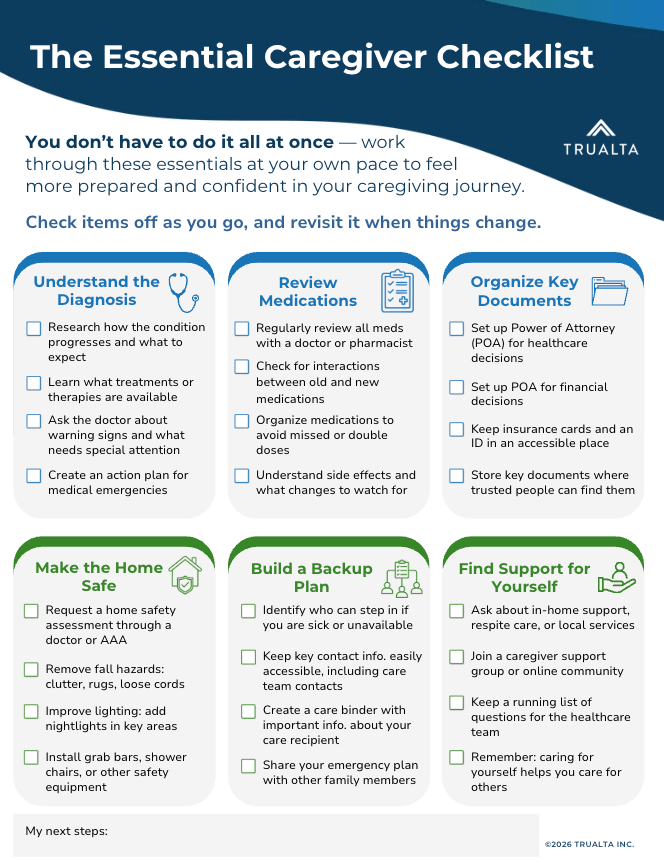
With no real treatment for sundown symptoms, caregivers should learn certain useful strategies. These tips can help prevent episodes and manage them when they do occur:
- Establish a routine. A routine means doing the same things at the same time every day. A routine can be useful in stabilizing your loved one’s state of mind and mood and reducing their confusion. It helps them feel more comfortable and safe. Sleep and end-of-day routines are especially important. A regular sleep schedule helps manage insomnia and other triggering sleep issues. A calm routine for the end of the day helps them relax before bed and reduces the risk of agitation and confusion.
- Avoid or reduce triggers. It may take some time to identify your loved one’s particular triggers. Keep notes every time they have a sundowning episode. Note the time, what happened before, and their symptoms, behaviors, and mood. Eventually, you should be able to pinpoint their specific triggers.
- Change the environment. Prepare a calm, safe environment for your loved one that includes natural, bright light exposure during the day. Make changes as necessary to manage sundowning episodes. For example, if they get overstimulated in the evening, turn off music or the television. You may even need to limit the number of people around them. How you prepare the environment depends on your loved one’s triggers. You can also change the environment in response to the onset of symptoms. Put on soothing music, turn down the lights, or give them space as needed.
- Redirect behaviors. Distraction or redirecting your loved one can help when they’re in the middle of a sundowning episode. Give them something simple and repetitive to do or distract them with a calming activity they enjoy, like listening to their favorite music or playing a familiar game.
How To Cope With Sundowning As A Caregiver
Sundowning is distressing and dangerous for both the patient and their caregiver. If your loved one experiences sundown symptoms, talk to their doctor and medical team. They can provide resources and change treatments as needed.
It’s also important to get help for your caregiving duties, if possible. Utilize respite care services and enlist other family members to help, especially in the evening hours when sundowning occurs. Take time for yourself to prioritize self-care, healthy lifestyle habits like physical activity, and any mental health care you need.
If it’s an option, consider hiring professional home care to help with your caregiving duties. If your loved one’s behaviors have become unmanageable, they may need to transition to assisted living with memory care.
Sundowning is a difficult experience, both for the patient and the caregiver. Don’t hesitate to reach out for help. Contact your loved one’s doctors, other family members, and support groups to learn more and to get practical support.
For additional resources on related caregiving topics, find out if you have free access to the Trualta caregiving library. Use this link to learn more.
References
- https://www.alzheimers.org.uk/about-dementia/symptoms-and-diagnosis/symptoms/sundowning
- https://www.alz.org/help-support/caregiving/stages-behaviors/sleep-issues-sundowning
- https://my.clevelandclinic.org/health/articles/22840-sundown-syndrome
- https://pmc.ncbi.nlm.nih.gov/articles/PMC9324910/
- https://pubmed.ncbi.nlm.nih.gov/31622953/
- https://pubmed.ncbi.nlm.nih.gov/37334595/