What Does A Hospice Nurse Do? A Closer Look At Their Role In Patient Care
Choosing hospice care can be difficult for patients and their loved ones. Hospice is end-of-life care, which isn’t easy to talk about. It’s also often misunderstood. It’s important to understand hospice and all the people involved in providing it. This makes it easier to discuss and make decisions.
Nursing is a major part of hospice care. When your loved one enters hospice care, they will spend a lot of time with their hospice nurse. These highly trained healthcare professionals provide compassion, comfort, and medical care.
In this article, we’ll explain some of the most important things you need to know about hospice care and nursing:
- What hospice is, and who provides this type of medical care
- What a registered nurse is
- The responsibilities of hospice nurses
- Hospice nursing vs. palliative care nursing
- What certification means
- Other professionals involved in hospice care
Looking for more information about hospice care, end-of-life, and caregiving? Find out if you have free access to Trualta’s resources.
What Is Hospice?
First, it’s important to understand what hospice means. Many misconceptions prevent people from getting the care they need. Hospice is end-of-life care, but it doesn’t mean your loved one will die right away. It also doesn’t mean your loved one will die faster in hospice.
Doctors typically recommend hospice when curative treatments no longer help. They also suggest it when a patient likely has less than six months to live.
Hospice is also quality-of-life care. The goal is to help patients live better and more comfortably in the last months, weeks, and days of life. It includes medical care to manage symptoms but not to treat their disease.
Hospice also includes emotional support for both patients and their families. It includes mental health care, legal and financial guidance, social support, and spiritual support.
Who Is On The Hospice Team?
Hospice is not a place but a service. A team of healthcare professionals and others provide care wherever the patient lives. This could be at home or in a hospice facility. A hospice team varies depending on the patient’s needs but may include:
- Physicians and specialists
- Nurses
- Nursing assistants
- Hospice aides
- Social workers
- Therapists
- Legal and financial experts
- Spiritual guides
- Volunteers
What Is A Registered Nurse?
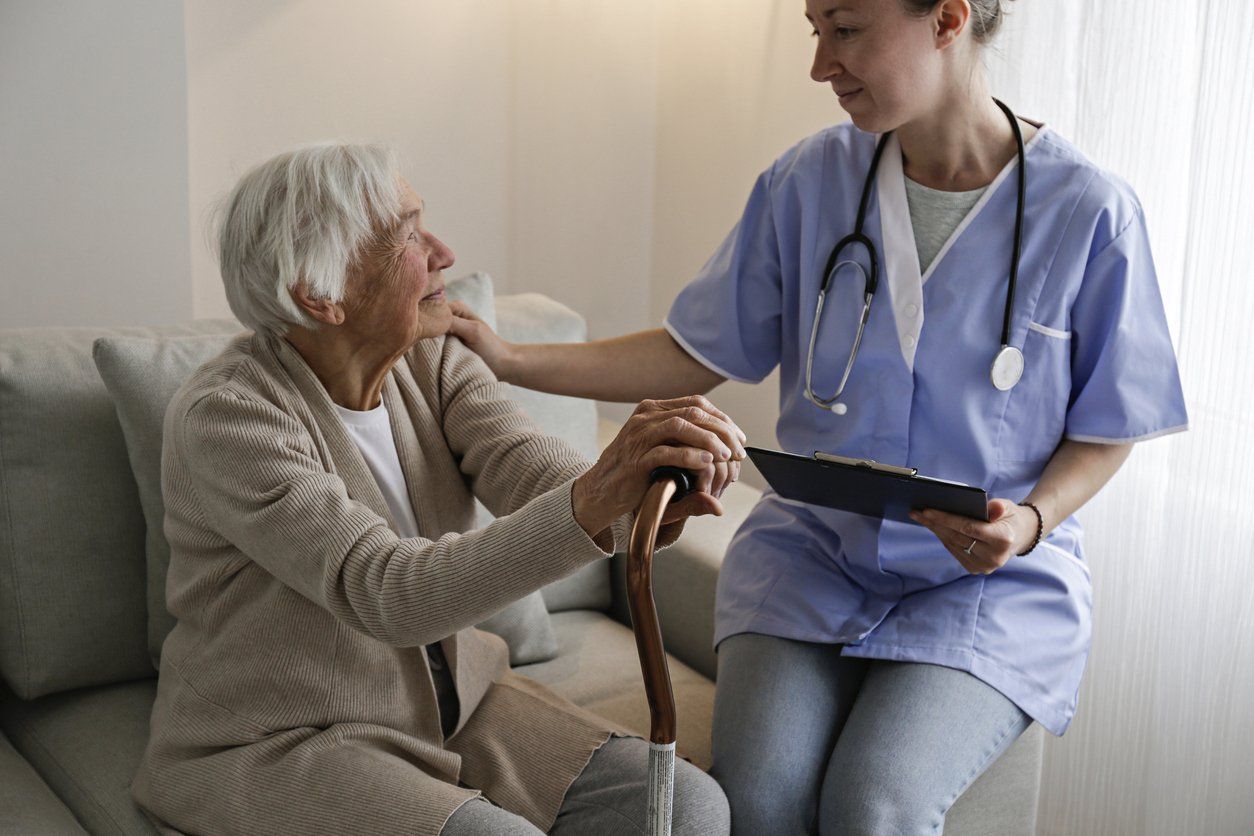
Hospice teams are supervised by a physician, but a registered nurse is typically responsible for managing care and advocating for patients. A registered nurse is a nurse who has completed nursing school and is licensed in their state.
Registered nurses (RNs) provide and coordinate care for patients. They evaluate patients and communicate with physicians. They educate and advise patients and their families about symptoms, conditions, and treatments. They also provide emotional support.
Your loved one may also encounter licensed practical nurses (LPNs) in hospice. These nurses are also licensed but provide more basic care than RNs. Nursing school for an LPN is shorter, so they typically have less education and training.
If your loved one’s hospice nurse is a nurse practitioner, this means they have advanced training and education. A nurse practitioner can diagnose and treat conditions and prescribe medications.
Hospice Nurse Responsibilities
Nurses often specialize in a particular type of medicine, like hospice. Your loved one’s hospice nurse may have received additional training specific to end-of-life care and patients with terminal illnesses.
This allows them to provide standard nursing care and specialized care that is sensitive to the needs of terminally ill patients. These are some of the typical responsibilities of hospice RNs and other types of nurses:
Manage & Administer The Care Plan
Registered nurses in hospice work under the supervision of a physician but do much of the actual work of managing a patient’s care. Along with the physician and other members of the hospice team, they provide input for creating and updating the care plan.
Nurses also administer much of the care a patient receives in hospice. They manage and give medications and provide many of the treatments used to control symptoms. They provide a lot of hands-on care for patients.
Hospice nurses are also involved in care coordination. This means they connect the various team members to ensure patients get the care they need.
Evaluate Hospice Patients
Nurses are often responsible for assessing and evaluating patients. They take vital signs, record information, and observe and listen to both patients and their families. The information they collect is essential for making care decisions.

Manage Symptoms
Symptom and pain management are big parts of hospice care. Patients nearing the end of life have many uncomfortable and limiting symptoms, like pain, nausea, and fatigue. Helping patients feel more comfortable is a primary goal of hospice service.
By managing symptoms, hospice helps patients make the most out of this phase of their lives. Symptom management allows patients to do more things they enjoy and spend more time with loved ones.
Nurses play a significant role in this. In hospice care, they don’t administer treatments for a disease but instead provide care for symptoms. Nurses are responsible for listening to patients about how they’re feeling and taking appropriate steps to help them feel better. They also note symptoms and signs of discomfort, even when patients don’t voice their concerns.
Communicate Between Physicians, Patients & Families
Doctors cannot always be available to talk to patients and their families. Nurses are essential for communication between interested parties. They explain the physician’s recommendations and decisions. They educate patients and families about conditions and treatments.
Nurses also communicate patient and family concerns and questions to physicians. They provide the primary physician with information about how the patient is doing, how they respond to treatments, and how their symptoms change.
Advocate For Patients
A nurse’s communication with physicians is not passive. They actively advocate for their patients and families to ensure they get the best care. Physicians value their nurses’ input and use it to plan the best treatments and interventions.
Physicians are not the only ones controlling patient care. Nurses must work with administrators and other professionals to get patients what they need. This might include a spot in a hospice facility, access to legal and financial experts, or insurance issues.
Provide Emotional Support
A major part of training for the hospice specialty is related to providing emotional support. While all nurses provide this compassionate care, it is especially important in hospice work.
End-of-life care is difficult for patients and their families. Nurses help them navigate this uniquely challenging phase of life. They help with practical matters but are also available for emotional support. They listen, express empathy, and offer comfort.
Perform Administrative Tasks
Your loved one’s hospice nurse also performs many tasks behind the scenes. They’re responsible for several administrative duties, including managing other hospice workers, maintaining patient records, monitoring and inventorying equipment and supplies, ordering new supplies, and checking for compliance with laws and regulations.
What Is The Difference Between A Palliative Care Nurse & A Hospice Nurse?
Hospice care and palliative care are often assumed to be the same thing. Hospice care is end-of-life care. Palliative care is supportive care for patients in any stage of a serious illness, and it has no restrictions based on life expectancy as hospice does.
Palliative nurse responsibilities are very similar to those of a hospice care nurse. In fact, much of what a hospice nurse does is considered palliative care. Their work has the added element of the patient being in the final stage of life.
A palliative care nurse works with a greater variety of patients. These patients may be of any age. They may be in the very early stages of an illness. They may be receiving treatments to cure their disease. A palliative licensed nurse may have the same credentials as a hospice nurse.
Hospice nurses are more likely to work as part of a team. Palliative care is not always provided as part of a team. This is more likely if it’s a specialty area, such as with a palliative pediatric nurse.
What Is A Certified Hospice Nurse?
A hospice nurse does not need special certification. However, many do receive special training. Some earn a specialized certification called Certified or Advanced Certified Hospice and Palliative Nurse (CHPN or ACHPN).
CHPN nurses have completed at least 500 hours of hospice and palliative nursing and passed an exam to demonstrate their knowledge of this special type of nursing care.
The Role Of A Hospice Or Palliative Nursing Assistant
Nursing assistants are licensed health care workers who support the work of registered nurses. They assist nurses directly and also perform duties independently but under the supervision of a nurse.
Your loved one will likely receive some care from nursing assistants in hospice. Nursing assistants perform basic care tasks, like bathing, feeding, and repositioning patients. They may perform some light medical care, such as recording vital signs and symptoms.
Understanding the role of important team members is helpful when making decisions about hospice care for a loved one. The hospice nurse is a vital member of the team. They provide care, comfort, and support while managing many other team members. Your loved one’s hospice nurse will be a big part of their end-of-life experience.
Looking for more information about hospice care, end-of-life, and caregiving? Find out if you have free access to Trualta’s resources.
References