Home Care Aide Training: Protect Your Health & Safety
Many caregivers put the needs of others before their own. It’s important to remember to keep yourself healthy and safe, too. Whether you’re a family caregiver or a professional caregiver like a home health aide, you may be at risk for health and safety problems. This is especially true if you work in someone’s home, as healthcare organizations are structured to reduce the risk of injury. Providing care in someone else’s home means you have less control over your work environment.
Risks can depend on your profession and the kind of care you provide. Problems could include:
- Injuries from falling, helping with transfers, or lifting heavy objects
- Exposure to blood-borne or infectious disease
- Emotional stress
- Exposure to hazards like needle sticks, chemicals, hostile pets, or allergies
- Driving accidents
Thankfully, getting the proper home care aide training and certification can help prepare you. You’ll learn what you can expect in a caregiving role and help prevent health and safety problems. In this blog, we’ll review 5 ways caregivers can protect their health and safety by taking a caregiver training course.
Interested in learning more about Trualta’s caregiver training program? Check if you have free access.
5 Ways Training Can Protect Health & Safety
1. Prevent Injuries
Regardless of the kind of home care you provide, there’s always the risk of injury. Direct care workers like home care aides or home health aides often provide physically demanding care. They have among the highest workplace injury rates in the US. This can result in problems like:
- Muscle strain
- Stiffness
- Backaches
- Swelling
- Tingling
- Numbness
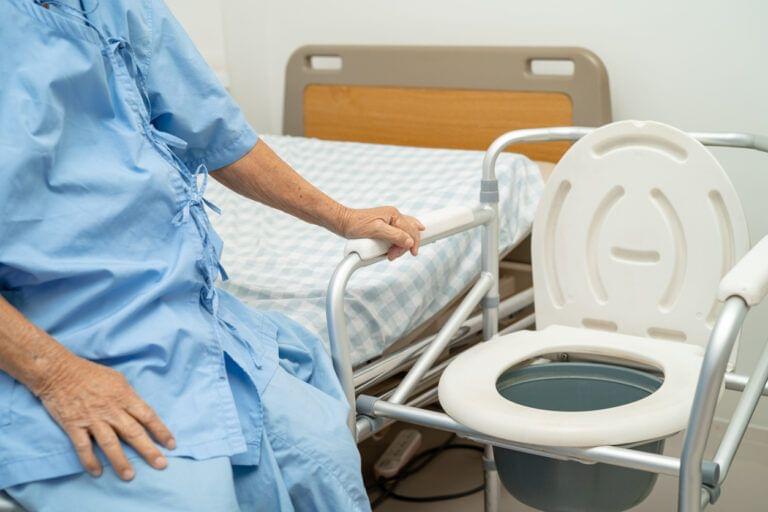
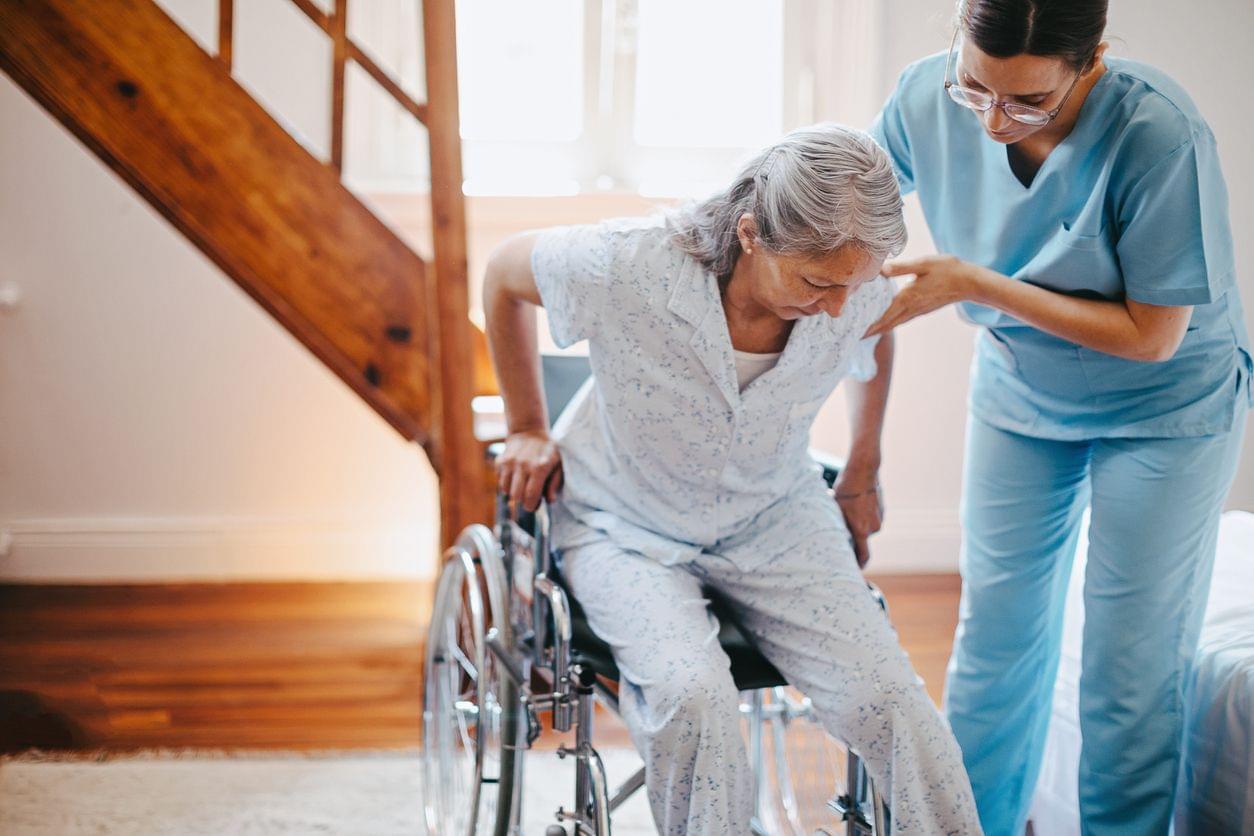
Home care aide training often provides step-by-step instructions for safe transferring. For example, helping someone transfer from their bed to their wheelchair. Training can also teach you how to safely help someone move. For example, repositioning them in bed. Knowing the right steps and what equipment to use can help you avoid injuries to yourself and the person you care for. Taking a training course can help you identify where you may need more in-person training and practice.
2. Prevent Illness
Caregivers encounter risks that could make them sick, such as infectious diseases, blood-borne germs, and medical and biohazardous waste. These might happen during daily personal care tasks or in an unsanitary home environment. Either way, caregivers have little to no control when these risks come up. Not knowing proper health and safety protocols or how to protect yourself can put you at serious risk for illness or injury.
Caregiver training courses can help caregivers learn:
- How to properly dispose of sharps, medical, and biohazardous waste
- What personal protective equipment (PPE) they need to wear, and when
- How to clean and disinfect areas of the home where they work
In some cases, the type of risk or exposure can depend on your job. For example, certain home healthcare professionals have to manage the disposal of needles. Not every caregiver will have to manage this type of risk. Regardless of what type of caregiver you are, the best way you can prevent illnesses is by learning how to protect yourself.

3. Reduce Emotional Strain & Prevent Burnout
Common causes of stress for home care aides include:
- Unsafe tasks or environment while providing care
- Poor communication with their patient or care recipient
- Having too many tasks to do (or not enough time to do them)
- Being asked to perform inappropriate tasks or ones they’re not qualified for
- Worry for the person they care for
- Working long hours
- Fear of losing their job
Caregiver training can help you learn about:
- Techniques for improving communication with the person you care for
- How to manage challenging behavior
- How to reduce anxiety and stress from caregiving
- Support resources and where to find them
- Recognizing and responding to abuse directed at you or your care recipient
4. Know Your Role
It can feel like caregiving involves an endless list of responsibilities. However, some tasks are not always appropriate or safe for every caregiver to do. This is especially true for professional caregivers. For example, home health care workers take extra training and can perform more healthcare tasks than home care aide workers do. Caregiver training can help you learn:
- What is (and isn’t) your responsibility as a caregiver
- How to navigate situations where you’re asked to do something you aren’t allowed to (or don’t feel comfortable) doing
- How to maintain professional boundaries to help protect yourself and the person you care for
It’s important to understand the rules and laws around your caregiving job. Every state and home care organization has different training requirements for home care aides and other healthcare professionals. They may also have different professional boundaries and regulations they must stick to. It’s important to know what tasks you are and aren’t allowed to do as a caregiver. This helps you and the person you care for stay safe.
5. Respond To Emergencies
Caregiver training can help you gain the basic skills for responding to emergencies like:
- Natural disasters
- Fire
- Medical emergencies
- Protecting yourself from violence and harassment
Not only can this serve your patient or care recipient, but it can keep you safe, too.
Take The Next Step
Continuing education opportunities for caregivers offer a whole host of benefits, from protecting your health and safety to boosting your career, to upgrading your skills, to maximizing your caregiving potential. Bonus: there are many options that are offered online, making it easier to fit into your caregiving schedule! Whether you want to improve your safety as a family caregiver or boost your skills as a home health aide, a caregiver training course is for you.
References
- Bien, E. (2020, September 29). The unique occupational environment of the home healthcare worker. CDC. https://blogs.cdc.gov/niosh-science-blog/2020/09/29/hhcws/
- Brunskill, S.R.,& Wysocki, A. (2022, April). Mitigating direct care workforce injuries in homecare: A summary of the evidence. ASPE Office of Behavioral Health, Disability, and Aging Policy. https://aspe.hhs.gov/sites/default/files/documents/c379795044a66f974f9d7b63c3318490/MitDCW.pdf
- NIOSH (2014). Caring for yourself while caring for others. Cincinnati, OH: U.S. Department of Health and Human Services, Centers for Disease Control and Prevention, National Institute for Occupational Safety and Health, DHHS (NIOSH) Publication No. 2015–103. Retrieved from https://www.cdc.gov/niosh/docs/2015-103/pdf/2015-103.pdf?id=10.26616/NIOSHPUB2015102
- https://www.osha.gov/home-healthcare/#:~:text=They%20have%20little%20control%20over,and%20unhygienic%20and%20dangerous%20conditions.
- https://www.stericycle.com/en-us/resource-center/info-sheet/challenges-and-risks-for-at-home-care